New and Improved
A More Comprehensive Service
With new sensor technology, Varda Care gains a range of new features and the ability to monitor health data from both chairs and beds. This provides a much more flexible solution that can be moved, reused, and easily installed by caregivers or users themselves.
Based on feedback gathered through user testing, interviews, and trials at care institutions, we are confident that we have developed a reliable and effective service that addresses many of the everyday challenges faced by the health and care sector.
We have therefore decided to focus our efforts entirely on finalizing the service for this user segment over the next quarter.

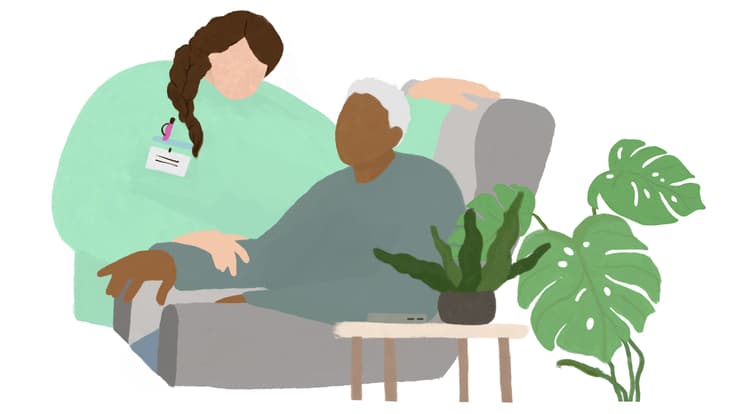
Daytime Digital Monitoring
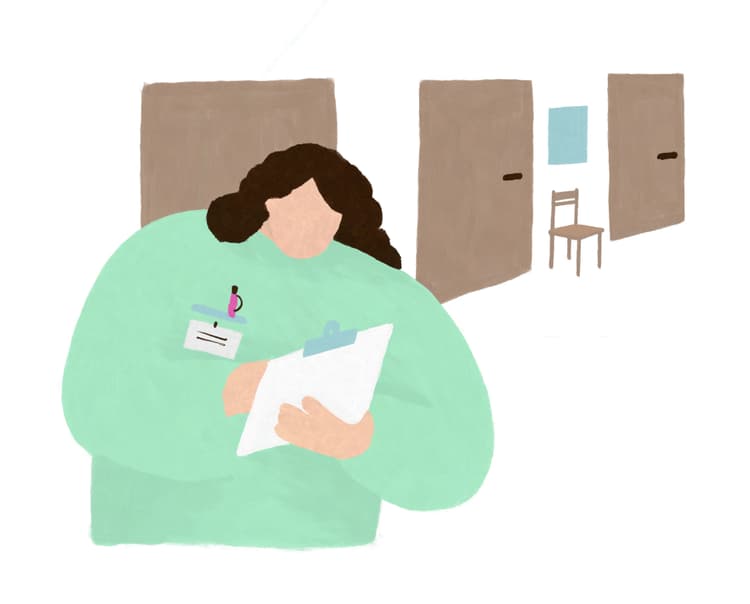
Nighttime Digital Monitoring
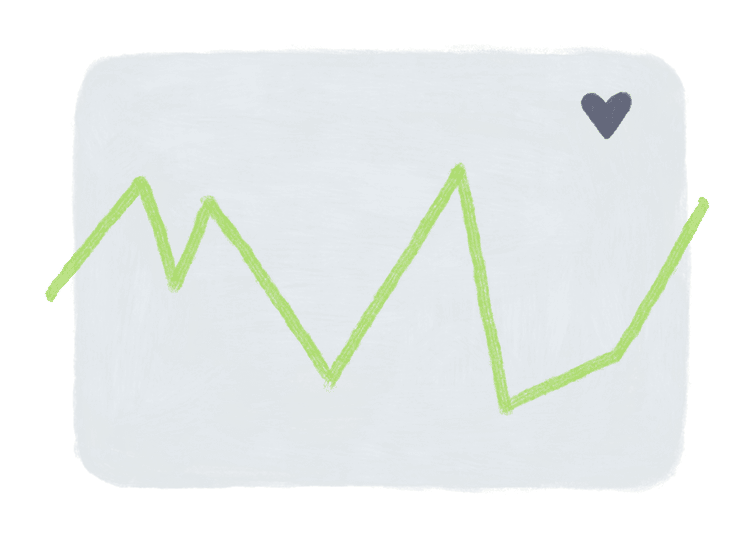
24-Hour Report
Sleep and Sleep Analysis
Based on extensive user involvement, we have identified sleep and sleep analysis as important areas of focus. Sleep is not simply a way to "switch off" from everyday life. It is also an active state that plays a vital role in maintaining our mental and physical health and preventing health problems.
Sleep problems are very common. One in three people experiences sleep difficulties on a weekly basis, while approximately one in ten struggles with severe and long-term sleep problems. These issues become more prevalent with age and are associated with wandering, falls, and overmedication.
The new sensor provides real-time data on sleep and restlessness, as well as a detailed sleep report containing the following measurements:
Sleep
- Total sleep time
- Time spent awake
- Time taken to fall asleep
- Number of awakenings
- Distribution of sleep stages (light sleep, REM sleep, deep sleep) – in both duration and percentage
- Bedtime and time of getting out of bed
Movement
- Number of tosses and turns (major movements)
- Level of movement (restlessness)
- Historical data on tossing and turning
- Historical movement data
Monitoring
- Total time in bed
- Total time out of bed
- Number of times out of bed
- Duration of each period out of bed
Vital Signs
- Average, highest, and lowest resting heart rate
- Average, highest, and lowest respiratory rate
- Historical resting heart rate data
- Historical respiratory rate data
Invisible and Contactless
Continuous Monitoring
Easy Integration
Sleep Analysis
How Well Are Residents Sleeping?
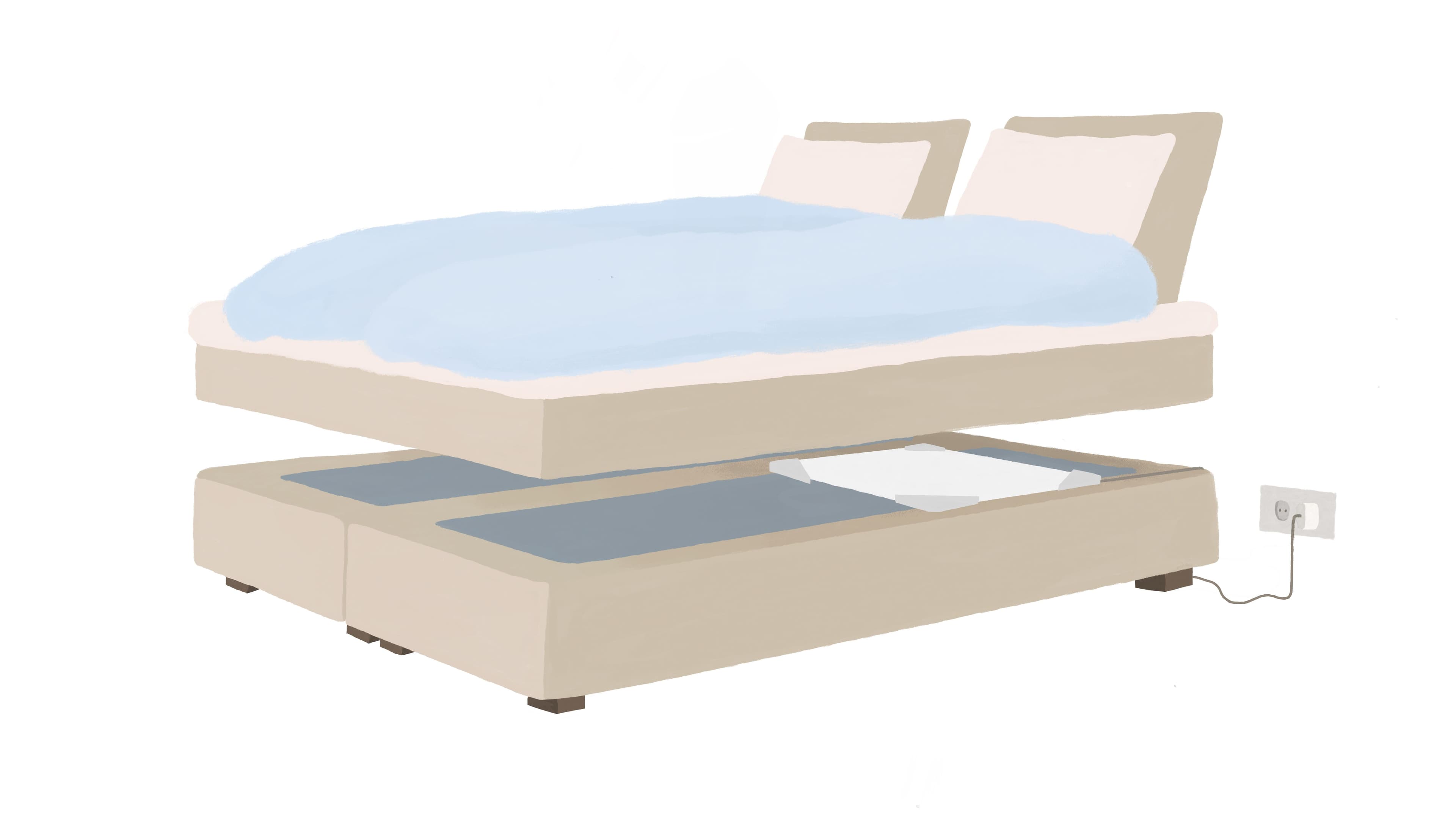
At the end of each sleep period, healthcare professionals receive a sleep report that can provide valuable insights into a resident's health.
This makes it possible to identify some of the most common sleep disturbances associated with aging:
- Reduced sleep duration, sleep quality, and sleep efficiency
- Disruptions in sleep timing
- Changes in the sleep-wake cycle
Receiving an alert when a resident gets out of bed can help prevent wandering and falls. Falls are the leading cause of fatal injuries and a major cause of death among older people across Europe. Every year, 50% of people over the age of 80 experience a fall, resulting in significant costs for both individuals and society.
Falls in healthcare settings often occur when residents move from lying in bed to standing or when visiting the bathroom at night. With nighttime digital monitoring, the sensor can alert staff when a resident gets out of bed, potentially allowing them to provide assistance before a fall occurs.
Sleep analysis is also a valuable tool for identifying restlessness, which may be caused by pain, for example, and monitoring the number of awakenings during the night. This makes it easier to assess the effects of medication changes or adjust medication based on sleep patterns. Many medications can also increase the risk of falls.
With digital monitoring from Varda Care, care institutions can promote better sleep as a preventive measure against a range of health problems that are often mistaken for, triggered by, or worsened by insufficient sleep:
- Mental and cognitive conditions: Depression, low energy, forgetfulness, reduced attention, impaired memory, dementia, and Alzheimer's disease
- Physical conditions: Cardiovascular diseases, diabetes, and obesity
Throughout our conversations with healthcare professionals, sleep has consistently emerged as an important parameter that we keep returning to. We are listening to your feedback and will therefore soon be able to offer sleep monitoring and sleep analysis as part of our service.
We are incredibly excited to test these new features in practice throughout the autumn!