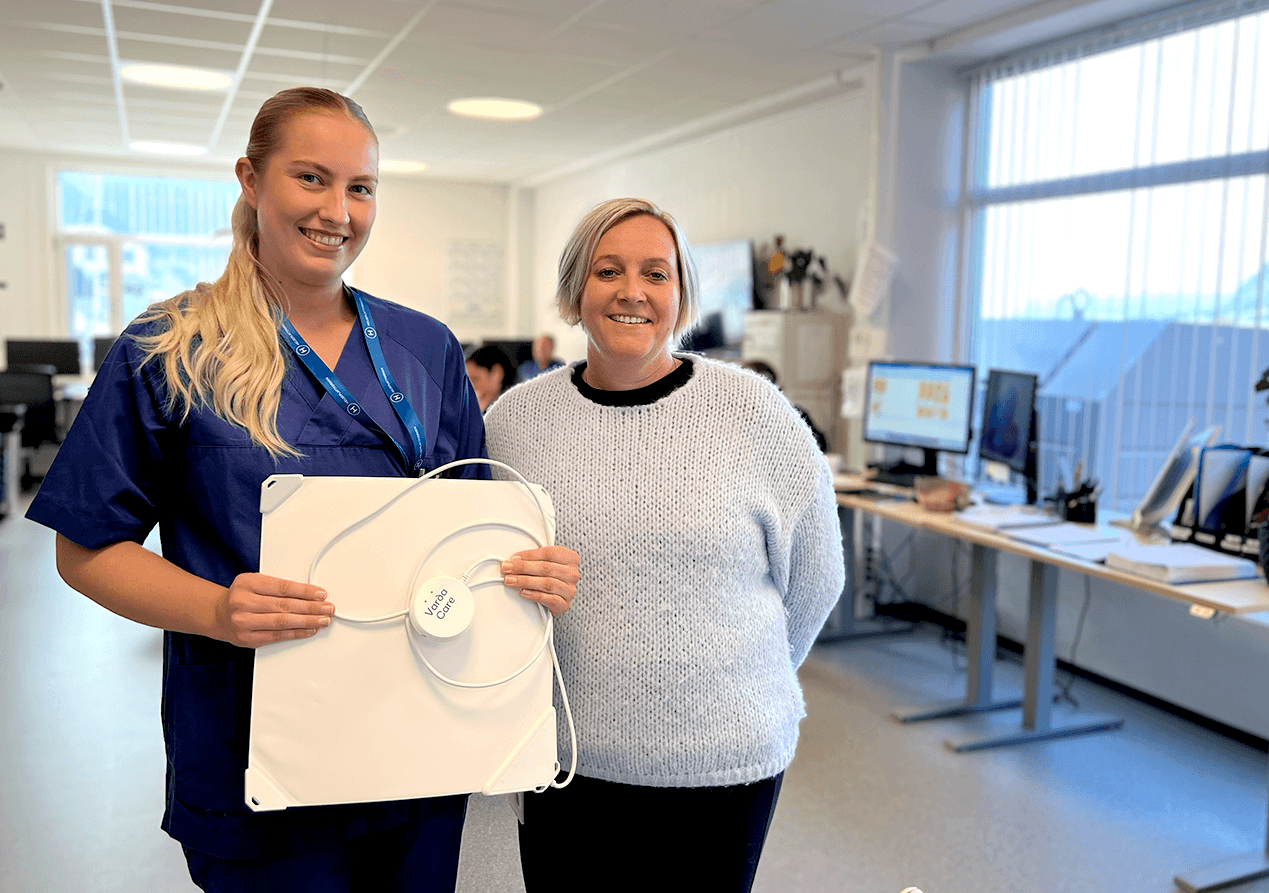
Before and After Digital Monitoring from Varda Care
- Digital Monitoring Strengthens Home Care Services in Sula Municipality
10 December 2024
The emergence of technology in the healthcare sector has changed the way we think about care. In Møre og Romsdal, the home care services in Sula Municipality have been using sensor mats from Varda Care for a year. The technology has transformed everyday life for both caregivers and service users.
One Year of Technology That Saves Time and Provides Peace of Mind
"It has been a major and entirely positive change for us," says Dybvik, who manages the home care services in Sula Municipality. "Before we introduced the sensor mats, we often had to enter service users' rooms several times during the night to check that they were doing well. This could wake them up while also creating additional stress for the caregivers."
For many of our service users, sleep is fragile but extremely important for their overall health. Through the service, we gain a new and more objective understanding of their sleep patterns and can easily identify changes, such as when someone begins to reverse their day-night rhythm.
By accessing actual data on when someone falls asleep, how often they wake up during the night, and how long they have been asleep or lying awake, we can tailor our care to each individual. If someone has already gone to bed before a scheduled in-person check, we postpone the visit rather than routinely waking them up.
The department manager also explains that the sensor mats have freed up time that can now be used more effectively. "We can focus our time on the service users and tasks that require the most resources. Previously, we often made rounds that weren't really necessary. Now we know exactly when someone needs assistance."
"For Sula Municipality, there is a clear before and after Varda Care," says Dybvik.
Employee Reactions – From Skepticism to Enthusiasm
When new technology is introduced, it can often be met with skepticism among employees. Dybvik explains that the home care services in Sula Municipality faced similar challenges. "Some employees were a little skeptical at first. Their main concern was that technology might replace the personal, human contact that is so important in care. We want to be as present as possible and provide compassionate care for this vulnerable group. Several employees were also concerned that the technology would be difficult to understand, time-consuming to learn, and create additional work."
However, after one year of use, we are pleased to say that employees have experienced quite the opposite, Dybvik explains. The app is incredibly user-friendly and so easy to learn that both permanent staff and temporary workers have quickly become familiar with the new tool. "Now, no one wants to be without it," Dybvik says with a smile. "The employees have seen how the sensor mats actually make their jobs easier and safer. They feel that the technology supports them rather than replaces them."
Diana Myrstad Meldal, CEO of Varda Care, agrees with Dybvik's description of the transition: "We know that technology can face resistance initially, but once employees experience the benefits firsthand, they understand that the service is a valuable support tool. The sensor mats are designed to make caregivers' daily work more efficient while providing patients with more personalized and safer care."
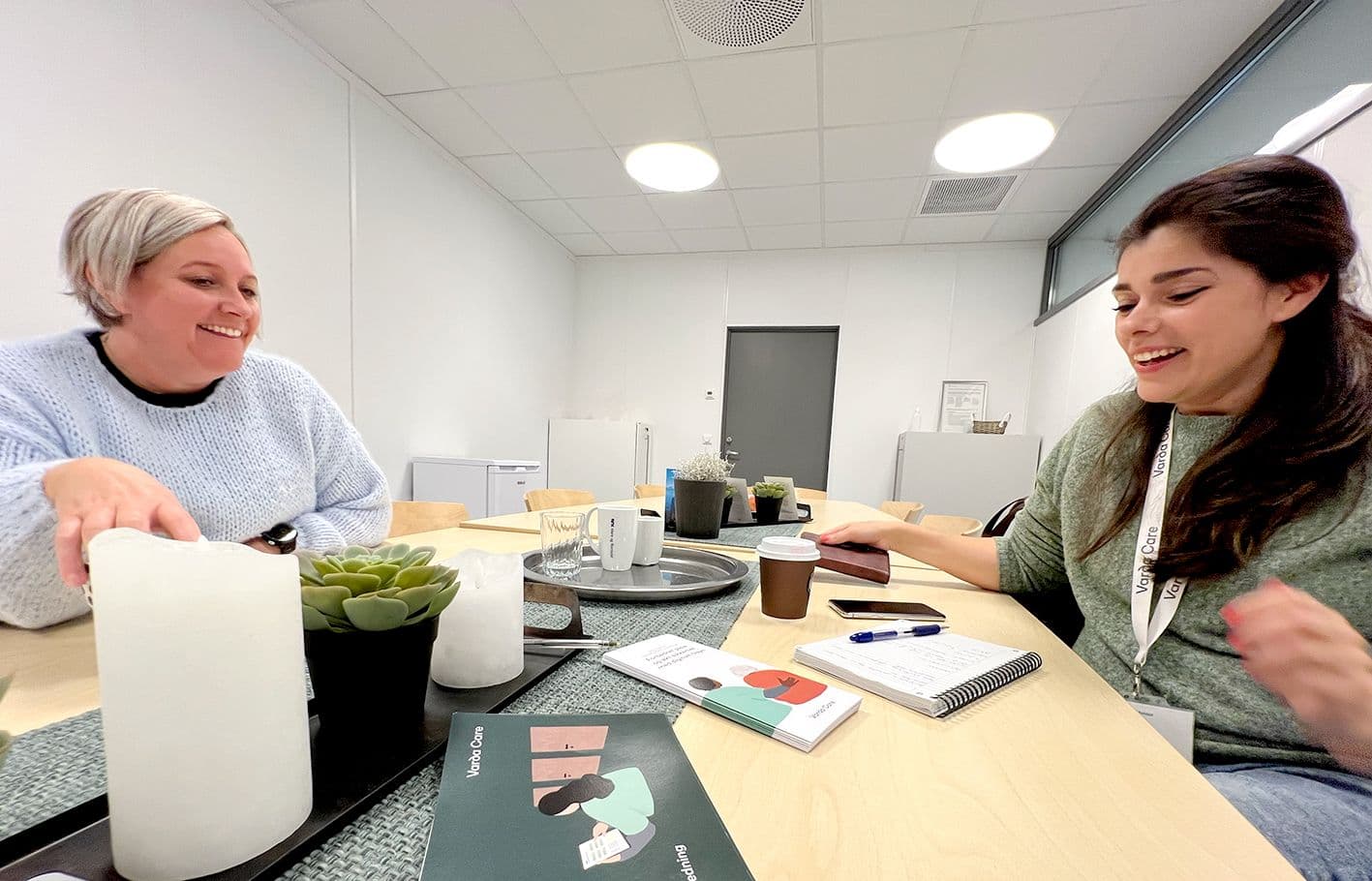
Improving Efficiency and Quality of Care
"With the sensor mats, we now have an overview of residents' health parameters without them even noticing," explains Dybvik. "It is incredibly important that solutions used in people's homes are virtually invisible and minimally intrusive. The service provides us with valuable insights into several health parameters beyond sleep analysis, including bed absence, restlessness, respiratory rate, and heart rate. We no longer rely on assumptions but have a more objective approach to understanding residents' needs," says Dybvik.
Dybvik adds: "Previously, we assessed a person's needs during home visits and formed an impression based on a relatively brief observation. The sensor mats now allow us to begin assessing their needs before the home visit and continue monitoring throughout the day and night. The continuous information we receive about service users' health represents a clear improvement for caregivers and provides greater peace of mind for both service users and their families."
An unexpected benefit of the service is the documentation it provides of the workload caregivers experience during their shifts. Previously, it was difficult to document the number of incidents occurring during home visits. Now, they can better adjust staffing schedules during periods of high demand.
Acceptance and Understanding Among Family Members
When new technology is introduced, it is important that both service users and their families feel comfortable with it. Dybvik explains that there were some initial challenges in this area as well. "Some family members were concerned that we would no longer visit as frequently. They were accustomed to our physical presence and felt reassured knowing that a caregiver had visited their loved one."
However, after seeing how the sensor mats work and the valuable information the service provides, feedback from family members has been overwhelmingly positive. "They understand that we are still there for their loved ones, but in a smarter way that is better tailored to each person's situation and needs," explains Dybvik.
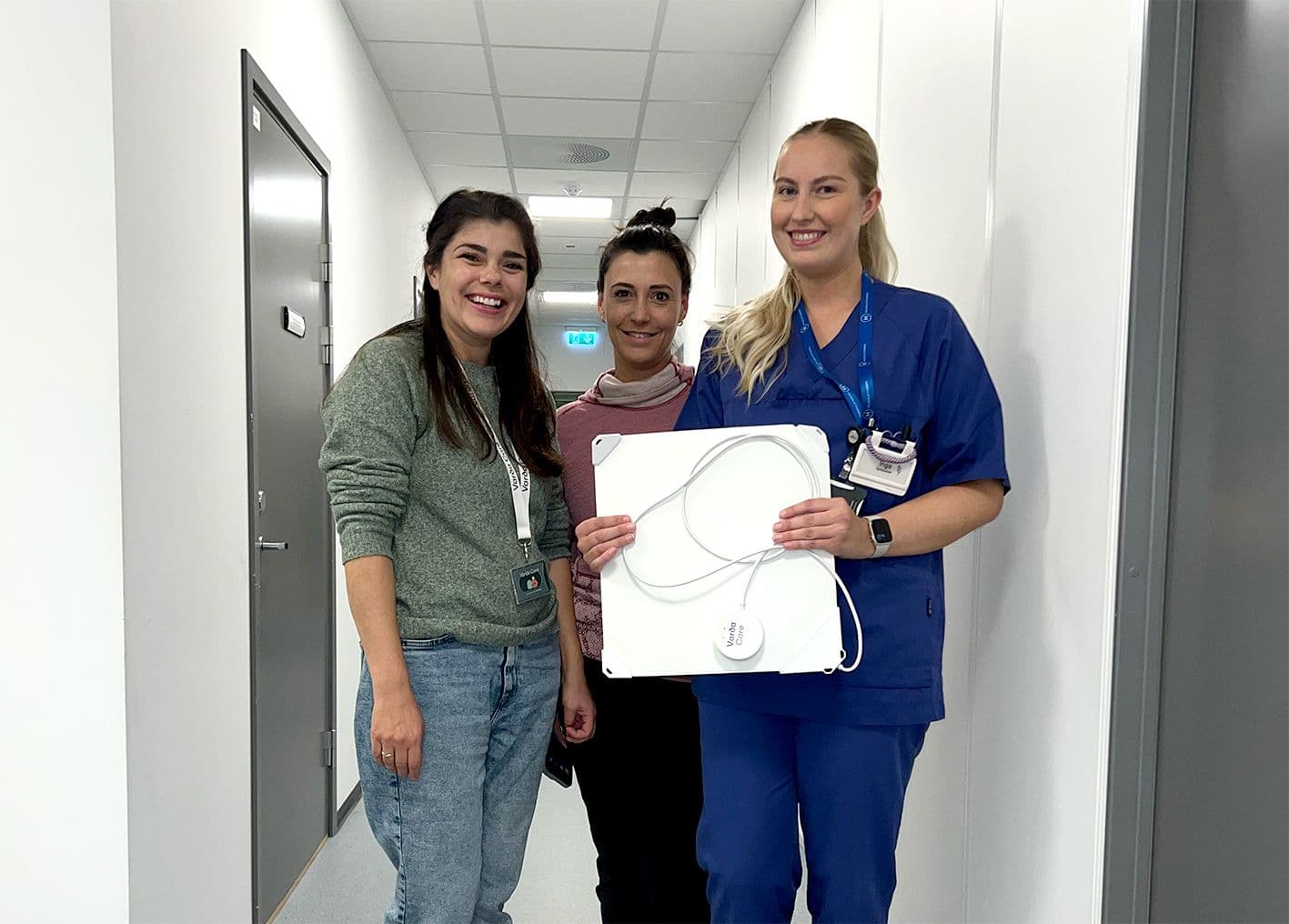
The Future of Healthcare Technology in Home Care Services
Looking ahead, Dybvik is very optimistic about how welfare technology can further improve home care services. "I believe this is just the beginning. Welfare technology can help us meet the growing demands facing the healthcare sector, particularly with an increasingly aging population. We simply need to make smarter use of our resources."
"After a year of using Varda Care's sensor mats, it is absolutely clear that both employees and service users in Sula Municipality are benefiting from this technology. There is a clear before and after Varda Care," says Dybvik. "For the home care services in Sula, this has been an important step towards a more modern, safer, and more efficient future," she concludes enthusiastically.